


Time for a model change
The automotive industry is entering a new era of permanent disruption. Electrification, geopolitical instability, regulatory intervention, AI-driven transformation and new global competitors are reshaping the sector faster than traditional leadership models can adapt.
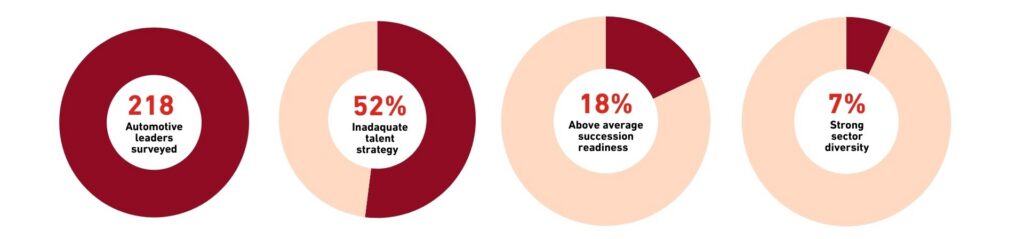
Savannah Group surveyed 218 senior automotive executives globally to understand how leadership capability, succession readiness and talent strategy must evolve to meet the demands of this new environment.
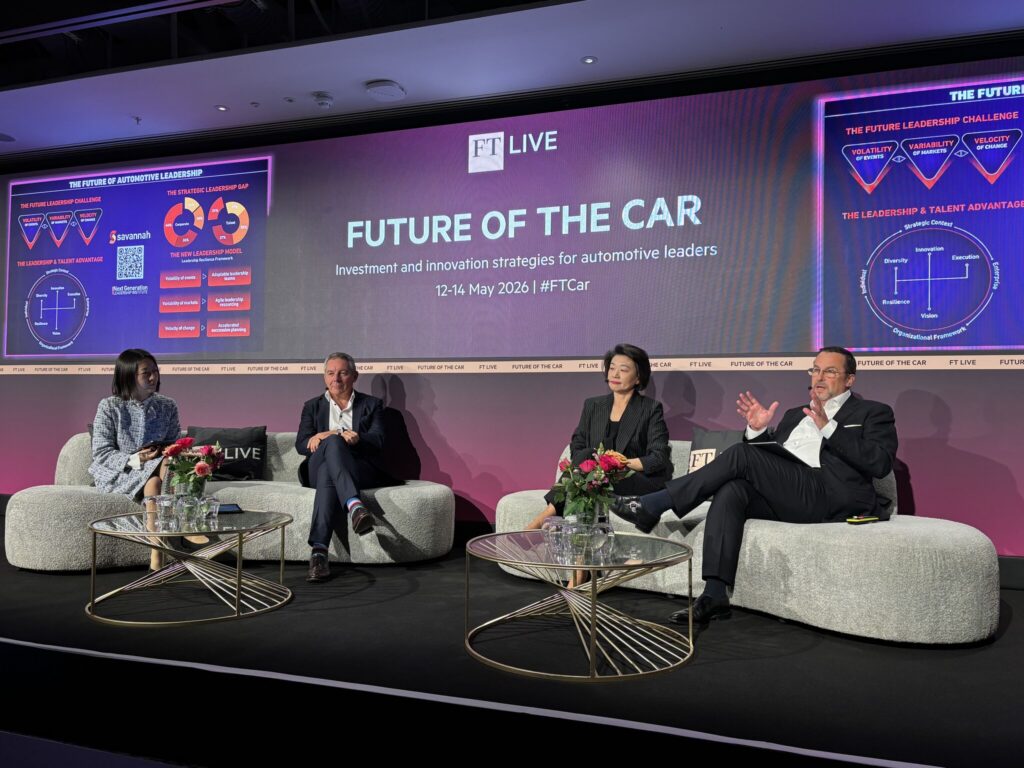
Launched at the FT’s Future of the Car Summit 2026, Savannah’s study findings make valuable reading for current and aspiring leaders across the automotive ecosystem.
The industry has changed faster than leadership models
For decades, automotive organisations operated in relatively stable conditions. Today, leaders are navigating constant volatility, compressed decision-making cycles and accelerating technological change simultaneously.
Executives across the industry describe disruption as no longer cyclical, but structural and permanent.
“Leadership teams in automotive have been very stable for a long time — arguably too stable, and too insular.”
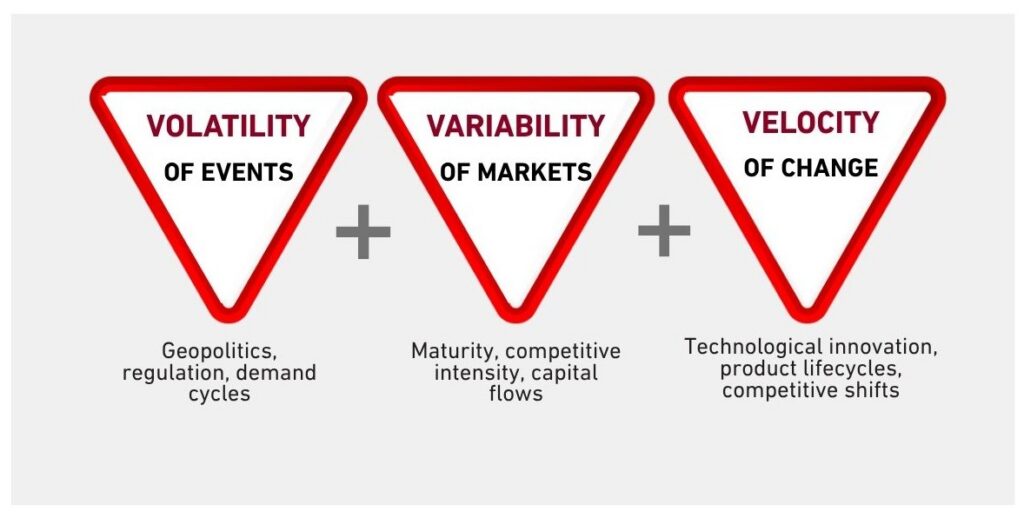
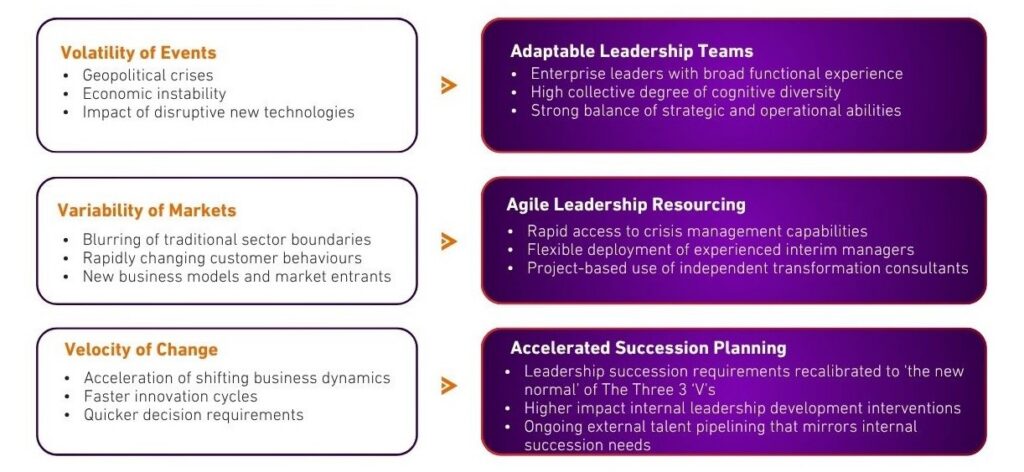
The three forces reshaping automotive leadership
The leadership capability gap
While many organisations remain confident in their business strategy, far fewer believe they have the leadership capability required to execute successfully in an increasingly unpredictable market.
Future leadership requires different capabilities
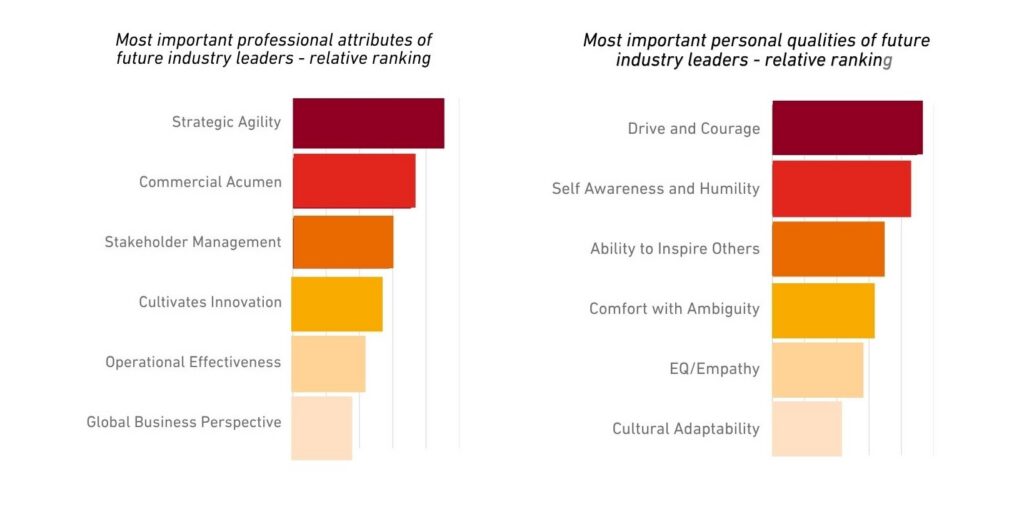
The research reveals a major shift in what defines effective leadership in automotive organisations.
Traditional leadership models built around operational control and industry tenure are becoming less effective in environments defined by ambiguity and rapid change.
“What worked in the past is often of diminishing value in the future — every day is a reinvention.”
Leadership teams remain narrow
Despite growing complexity, many executive teams still lack meaningful diversity of experience across sectors, functions and geographies.
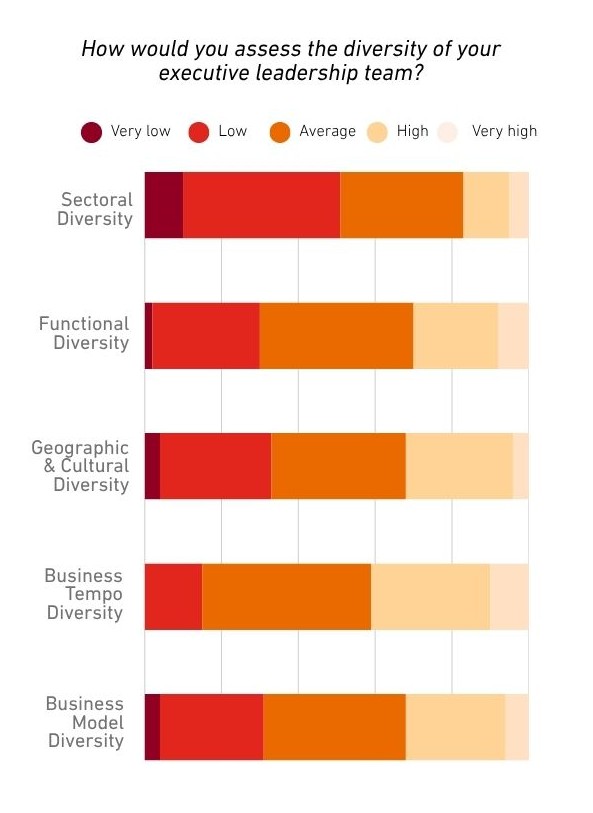
“Leadership is a team sport these days. Getting the most out of your team matters far more than being the most visionary individual yourself.”
Succession readiness is emerging as a strategic risk
As disruption accelerates, leadership pipelines are struggling to keep pace.
Only a small minority of respondents believe their organisation is effectively prepared to develop the next generation of leadership talent.
Key findings
Only 18%
rate their succession pipeline as above average
More than 70%
rate their organisation as average or below in identifying future leadership potential
Introducing The Leadership Resilience Framework
The report outlines a practical framework for building leadership capability in an era of continuous disruption.
Who should read this report?
This report is designed for
- Automotive CEOs
- CHROs
- Board Directors
- Private Equity Investors
- Leadership and Talent Executives
- Transformation Leaders
- Strategy and Workforce Planning Teams
Is your leadership model built for the industry’s future, or its past? Speak to our automotive leadership advisory team – Chris Donkin and Jim Berriman.